Start writing here...
TRAINING OUTLINE
Best Practices in Site Reliability – Implementing and Operating an AI-Driven SRE (Site Reliability Engineering) Framework.
Module 1: SRE Excellence and Operations Transformation (NOC/SOC & MSP)
• Introduction to Site Reliability Engineering (SRE): merging software development and IT operations to minimize risks.
• The 50/50 Rule of SRE: Balancing Proactive Problem Solving and Operations Automation.
• Transition from a reactive NOC/SOC model to a digital, proactive control center powered by artificial intelligence (AIOps).
• Resilience Challenges and Business Continuity Planning (BCP) in Complex Infrastructures (Telecoms, Mining Sector).
Module 2: KPI-Driven Management and Service Level Agreement (SLA/WLA) Engineering
• Defining and aligning objectives: SLOs (Service Level Objectives) and SLIs (Service Level Indicators).
• Critical KPIs in Incident Management and Service Delivery: MTTD (Mean Time to Detect), MTTR (Mean Time to Recovery), MTBF (Mean Time Between Failures), and NUR (Network Uptime Ratio).
• MSP Contract Management: Ensuring strict compliance with SLAs and WLAs.
• The Concept of Error Budgets: Balancing Extreme Network Reliability (“Five-Nines” Availability) with the Need for Innovation.
Module 3: Reinventing ITSM: Incident, Problem, and Change Management
• Incident Management Practices: Moving from traditional reactive troubleshooting to self-healing and real-time “Live Troubleshooting.”
• Problem Management: Moving from post-mortem root cause analysis (RCA) to automated preventive maintenance via predictive analytics (machine learning).
• Change Management: Operational standardization and multi-vendor orchestration to deploy changes without consuming the error budget.
Module 4: Overview and Benefits of the GSA Ecosystem (MARINA GSA & GSA CORE SRE)
• Architecture and Philosophy: An interoperable, 100% customizable solution offering absolute end-to-end control (RAN, IP/MPLS, Core PS/CS, IT/OT).
• Key Features: Automated Deep Checks, system/network mapping, and immediate technical recommendations.
• Operational Benefits: Elimination of tedious manual interventions, drastic reduction in MTTR, and standardization of engineering best practices.
• AI for the Network: Early anomaly detection via the GSA Telco Node Analyzer and centralized aggregation.
Module 5: Advanced Automation and Auto-Ticketing (Zero-Touch Operations)
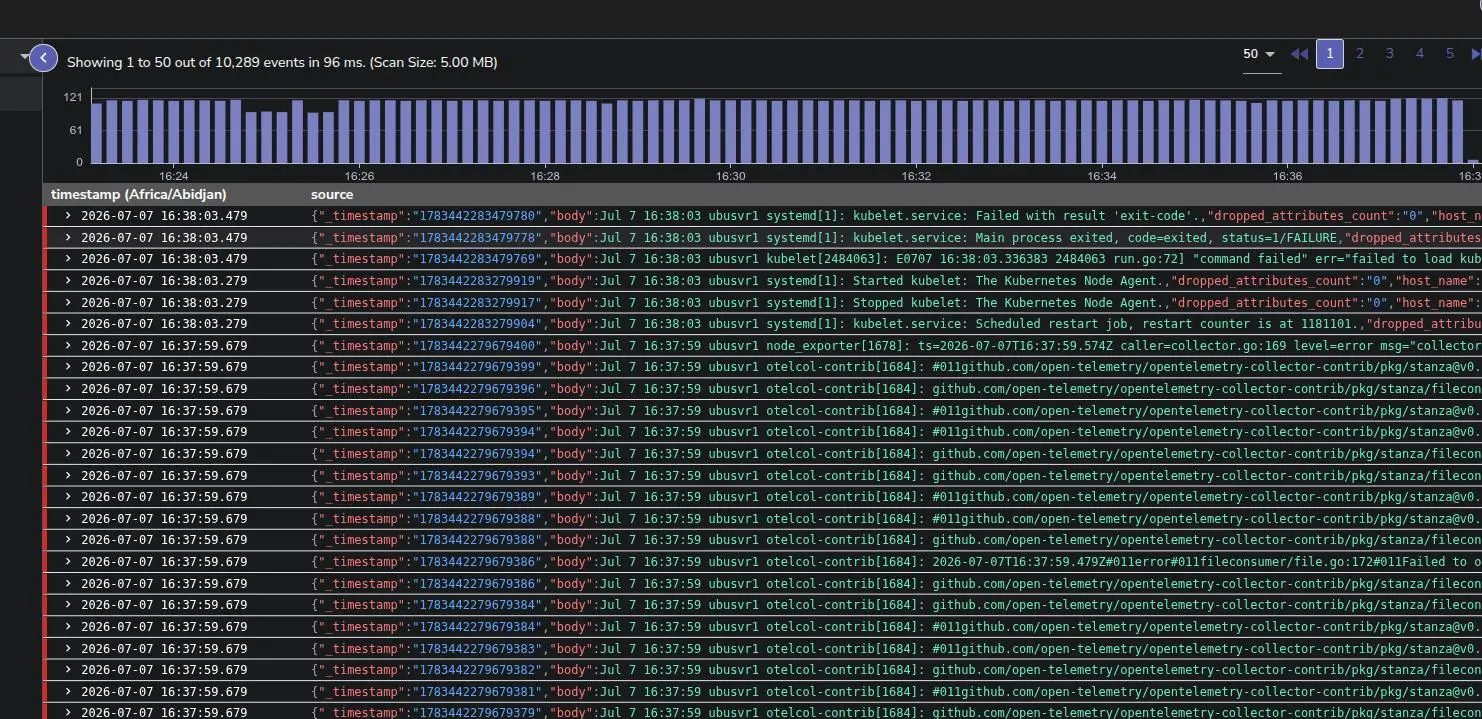
• The intelligent incident workflow: autonomous detection, diagnosis, and log generation.
• Auto-Ticketing Process: Automatic conversion of alerts detected by MARINA GSA and GSA CORE SRE into tickets directly in GLPI.
• IT Task Automation: Elimination of human error and optimization of processing times.
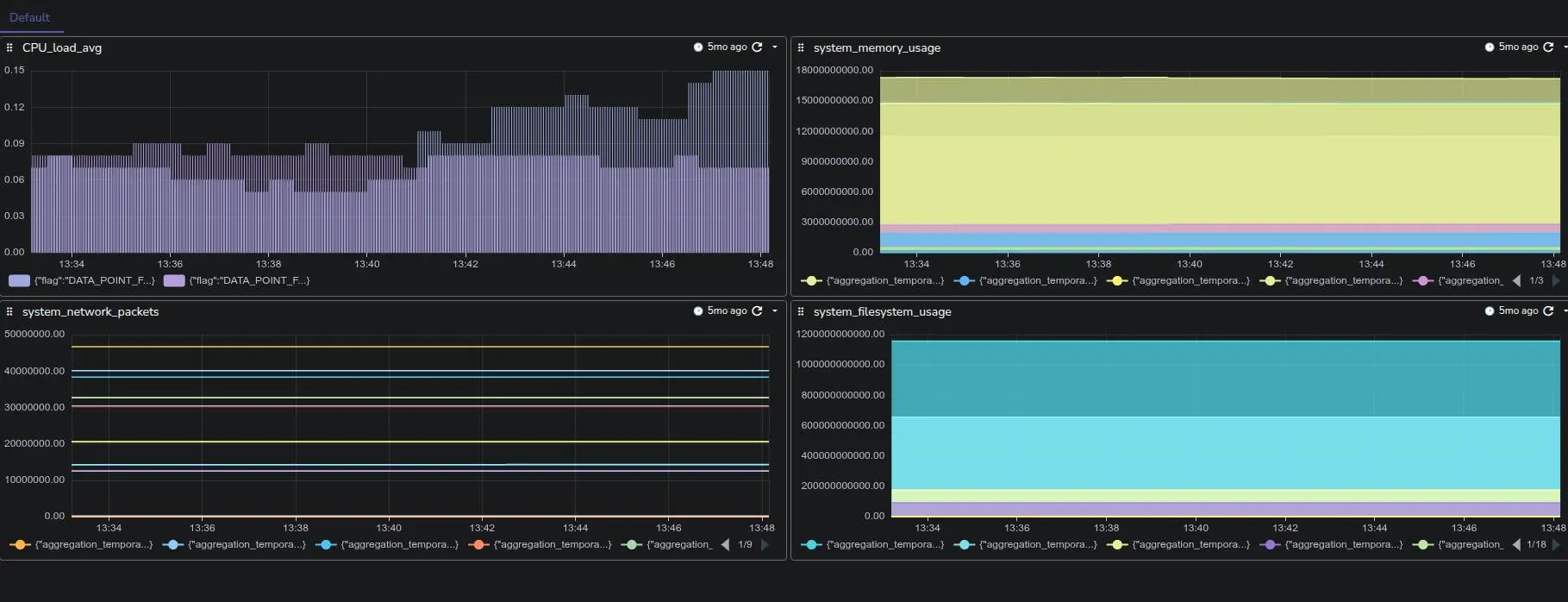
• Unified visibility: Centralization of monitoring data for real-time control from a single dashboard.
Module 6: Hands-On Workshops and Use Cases (Mining and Telecommunications Sectors)
• Use Case 1: Live Troubleshooting during a failure on an OCS or PCRF node.
• Use Case 2: Implementation of an automated preventive maintenance routine for industrial infrastructures (IoT/OT).
• Demonstration of collaboration between monitoring teams (Front Office) and technical experts (Back Office) via a single interface.